
8 Smart Tips for Buying New Construction in South Bay, California
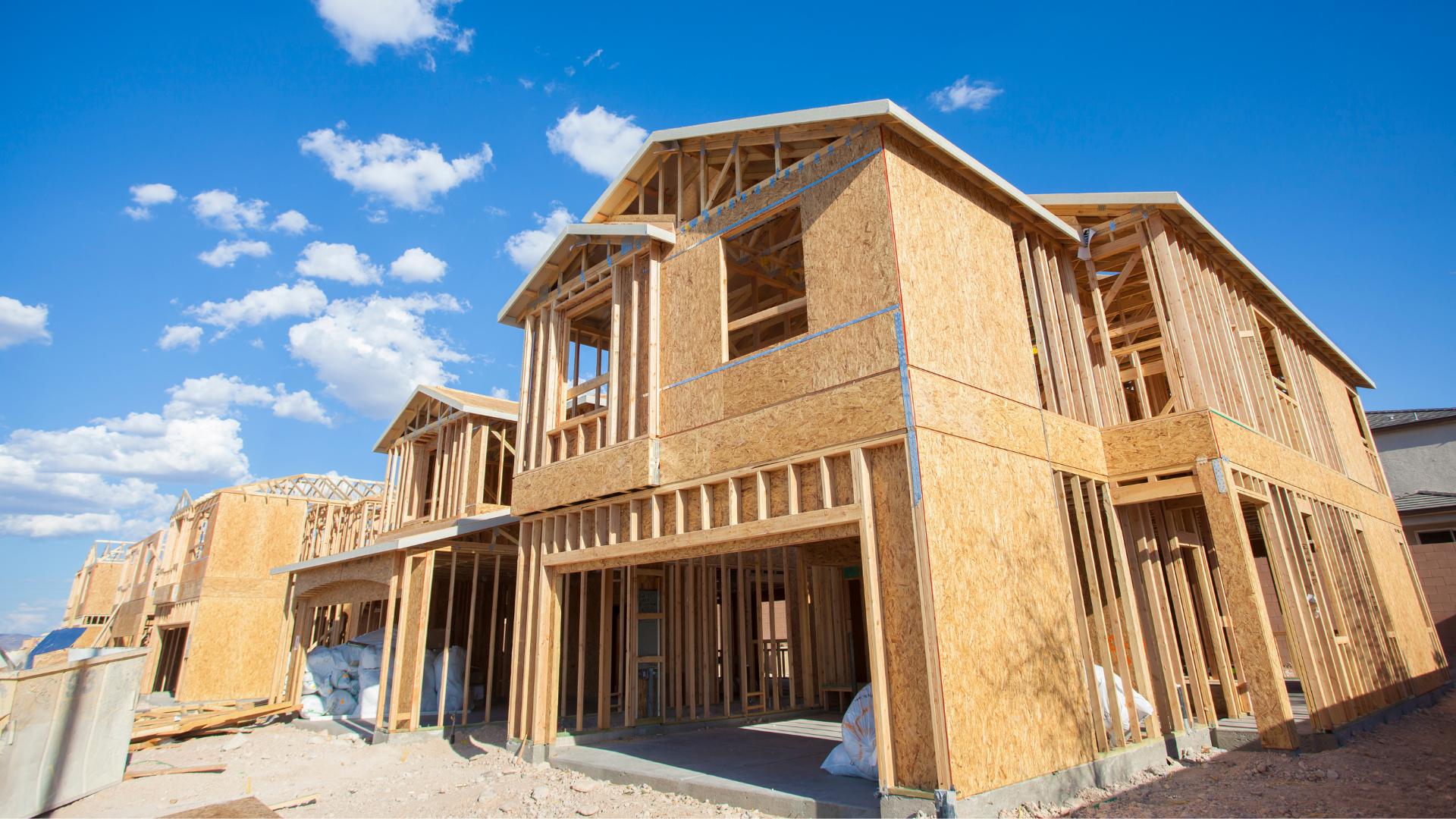
If you've been keeping an eye on the South Bay real estate market, you've probably noticed more and more brand-new homes and townhome communities popping up. For first-time and move-up buyers operating in the sub-$2M tier, new construction offers an incredible opportunity to secure a low-maintenance, turnkey property. However, buying a brand-new build is fundamentally different from buying a resale home.
To make sure you get the best deal while avoiding expensive surprises, here is your actionable checklist and financing guide for navigating the 2026 South Bay new construction market.
1. Stay Responsive to Financing Structures in the Sub-$2M Tier
The 2026 South Bay real estate market has heavily segmented. While the ultra-luxury market operates on cash and scarcity, the sub-$2M tier, populated by first-time buyers and families, is highly payment-sensitive. Buyers in this bracket rely heavily on financing and are deeply vulnerable to interest rate fluctuations. Because affordability shifts quickly in this tier, you must be highly responsive and ready to capitalize on market windows where inventory sits a little longer.
2. Leverage Builder Incentives and Seller Credits
If you are waiting for builders to massively drop their asking prices, you might be waiting forever. Builders avoid cutting the base price of a home because it hurts the appraisal values of the rest of the neighborhood. Instead, builders in 2026 are heavily utilizing financing incentives to keep homes moving. You can aggressively leverage temporary 2/1 rate buydowns, where the builder pays a lump sum at closing to lower your interest rate by 2% in the first year and 1% in the second year. By negotiating for these massive seller-paid closing credits, you can drastically lower your monthly carrying costs during your first few years of homeownership.
3. Understand "Base Price" vs. The Final Cost
When you tour a stunning model home, remember that you are looking at the most expensive, upgraded version of that floor plan. The advertised "base price" is merely the starting line, often covering just the structural shell and entry-level finishes. Your final cost will be driven up by two major factors:
- Lot Premiums: Builders charge extra for desirable placements, such as corner lots, cul-de-sacs, or lots with better views, which can add anywhere from $5,000 to $75,000 to the base price.
- Design Center Upgrades: It is incredibly easy to spend 10% to 20% of the home's base price on upgraded flooring, cabinets, and fixtures. Smart strategy: Spend your money on structural changes (like electrical drops, room extensions, and shower waterproofing) that are expensive to do later, and skip the builder's high markup on cosmetic finishes like paint, mirrors, and light fixtures.
4. Navigate Hidden Monthly Carrying Costs
New construction comes with hidden tax and assessment layers that don't always exist in older, established neighborhoods. You must budget for:
- Mello-Roos: These are flat annual taxes levied by Community Facilities Districts (CFDs) to pay for new infrastructure like roads and schools. In new South Bay developments, these can add $600 to $2,400 annually to your tax bill and cannot be negotiated away.
- Subsidized HOAs: Developers often artificially subsidize HOA dues while they are selling homes to make the community look more affordable. Once the builder leaves, dues can skyrocket if reserves aren't sufficient to maintain shared amenities.
- Supplemental Taxes: Because property taxes are reassessed upon completion of new construction and the subsequent sale, you will be hit with a hefty supplemental tax bill 2 to 6 months after closing that is rarely covered by your standard mortgage escrow account.
5. Research the Builder’s Reputation and Track Record
A shiny new sales brochure doesn't guarantee quality craftsmanship. Before signing any contract, perform rigorous due diligence on the developer:
- Check their License: Use the California Contractors State License Board (CSLB) database to verify the builder has an "Active" status, a current bond of at least $25,000, and active workers' compensation insurance.
- Audit Court Records: The CSLB is legally restricted from showing many pending civil lawsuits. To find out if a builder has a history of construction defect litigation or unpaid subcontractor liens, search their corporate name in the Los Angeles County Superior Court's civil case access portals.
6. Hire an Independent Real Estate Agent
The friendly agent sitting inside the builder's model home is an employee of the developer. Their fiduciary duty is to maximize the builder's profit, limit concessions, and upsell you on design center upgrades. You need an independent real estate agent to represent your interests, negotiate the best possible closing credits, and oversee the inspection process. Under California's AB 2992, which took effect in 2026, you are required to sign a Buyer Representation and Broker Compensation (BRBC) agreement before an agent can show you properties. Ensure your agent registers you on your very first visit to the new community, or the builder may refuse to allow you independent representation.
7. Get an "Old-School" Independent Home Inspection
Never assume a brand-new home is flawless. Municipal code inspectors frequently spend just 15 to 30 minutes on a site, checking for bare minimum legal compliance rather than quality craftsmanship. Astonishingly, 65% of new construction homes have defects uncovered during independent inspections. To catch poor grading, missing flashing, and improperly commissioned HVAC systems, implement a multi-phase inspection strategy:
- Pre-Drywall Inspection: Check framing, plumbing, and electrical before the walls are sealed.
- Final Pre-Closing Inspection: Catch finishing defects and system imbalances before you take ownership.
- 11-Month Warranty Inspection: Document any settlement or hidden defects before your builder's one-year fit-and-finish warranty expires.
8. Review Builder Warranties, Amenities, and Future Plans
Understand exactly what is covered by your builder's warranty. Under California’s SB 800 (Right to Repair Act), builders are held to strict performance standards, typically carrying a 10-year statute of limitations for major structural defects, but only four years for plumbing and electrical. Furthermore, evaluate the community. South Bay townhome communities frequently boast resort-style amenities like pools and fitness centers. Verify the long-term cost of these amenities. Finally, look at the South Bay Area Plan and local zoning updates; if you are buying near a new transit-oriented district, be prepared for increased commercial density and traffic in the coming years.
Planning Your 2026 Purchase
In the 2026 South Bay real estate market, clarity outperforms emotion. The key to navigating the sub-$2M tier is strategic positioning and understanding exactly what you are buying before you sign on the dotted line.
If you’re ready to transition from searching to securing your ideal 1-3 bedroom South Bay townhome, schedule a personalized, data-driven consultation with us today to ensure your new construction purchase is built on a rock-solid foundation.